Project Title:
Human-Ready Tech: Visual Systems for the Modern Workforce
Role:
Commercial Art Direction & Photography
The Challenge
B2B technology marketing often falls into the trap of cold, blue-tinted stock photography and abstract server rooms. The client needed to break this pattern.
They required a visual library that communicated connection, ease of use, and executive confidence—without feeling staged or "corporate." The goal was to position their software not just as a utility, but as the engine of modern remote collaboration.
The real challenge wasn’t just visual. It was unifying the needs of two radically different tech companies into a single, cohesive visual language that could live across software, hardware, and enterprise communication.
The Solution
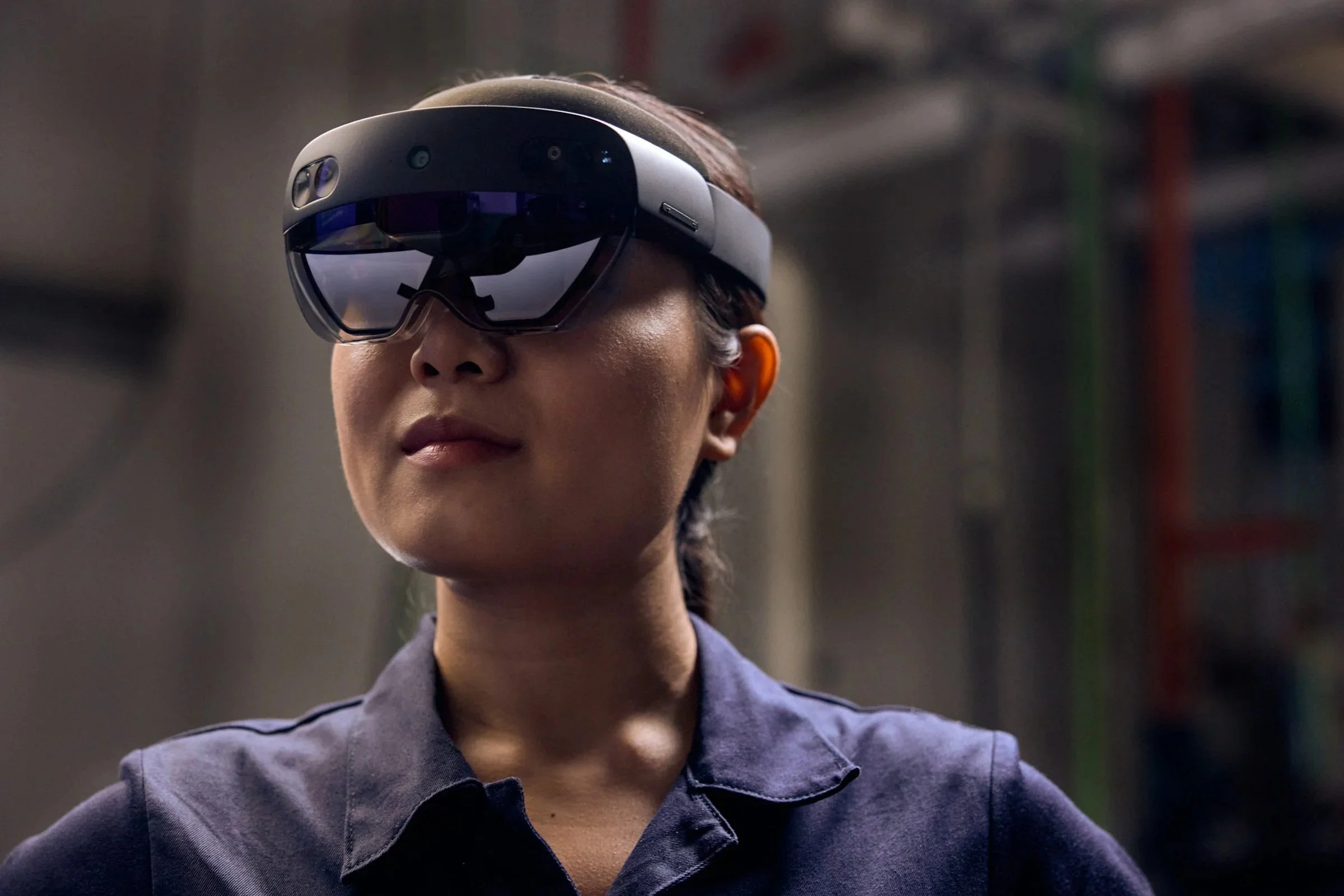
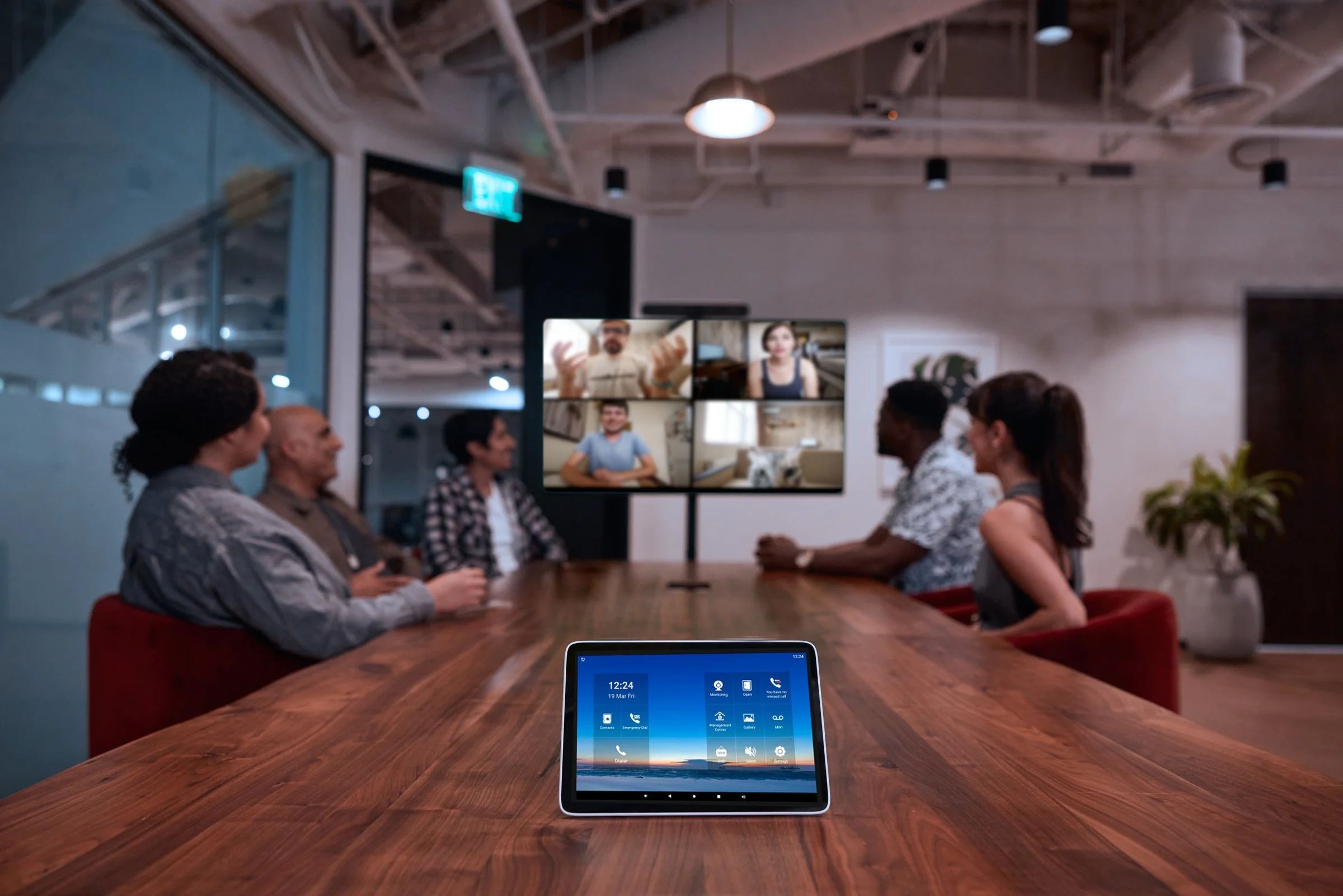
I directed a series of lifestyle campaigns focused on the "end user" rather than the hardware. We refused the typical enterprise playbook: blue gels, data-center hallways, and cold architecture. Instead, we built a world where the tech disappears behind human clarity.
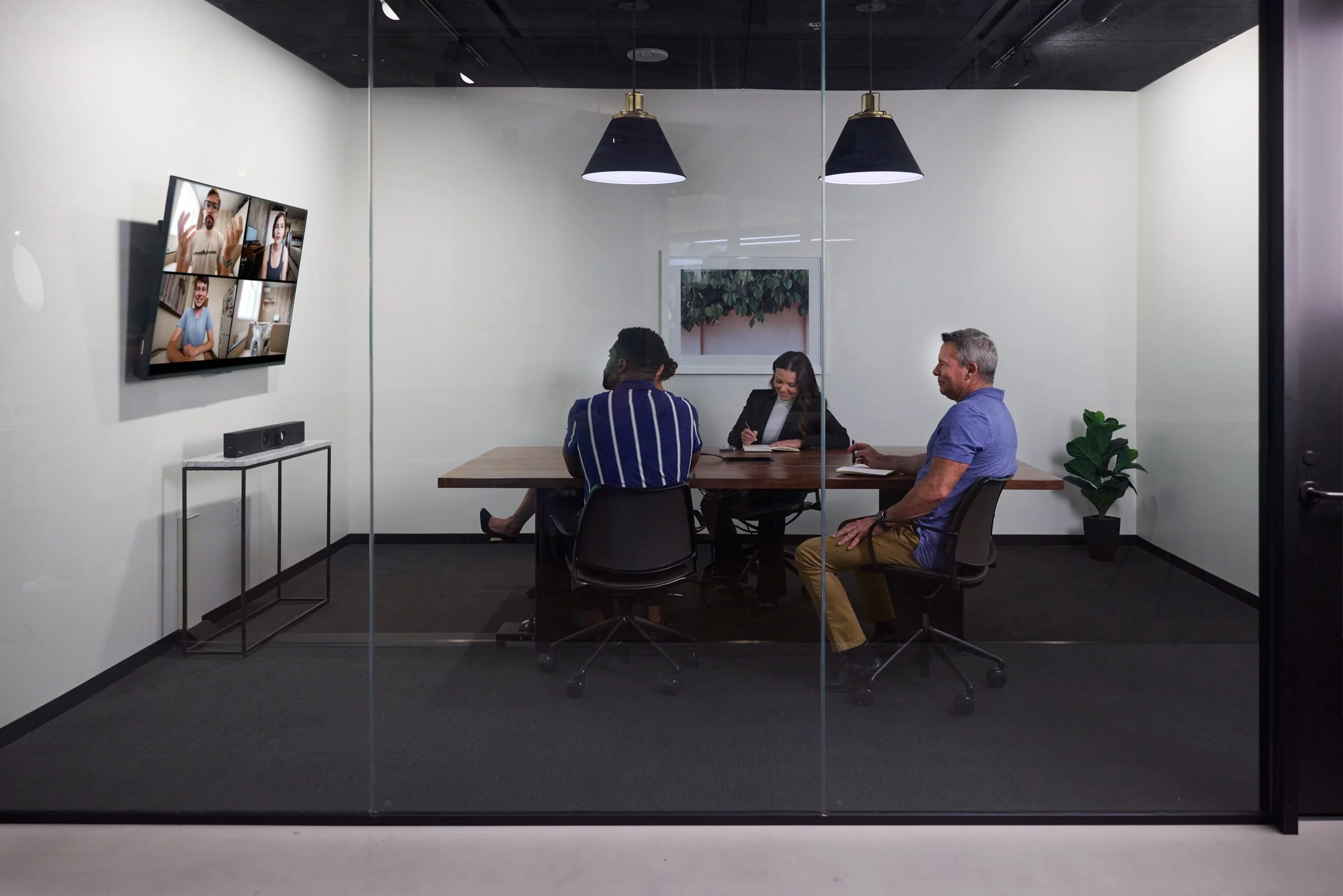
1. Authentic Environments: We moved away from sterile white cyc walls to real-world office and industrial environments. This grounded the technology in reality, showing it in the hands of actual professionals.
2. Cinematic Lighting: I used motivated, cinematic lighting to create warmth and depth. This separated the brand from the flat, washed-out look of competitors and signaled "Premium" to enterprise buyers.
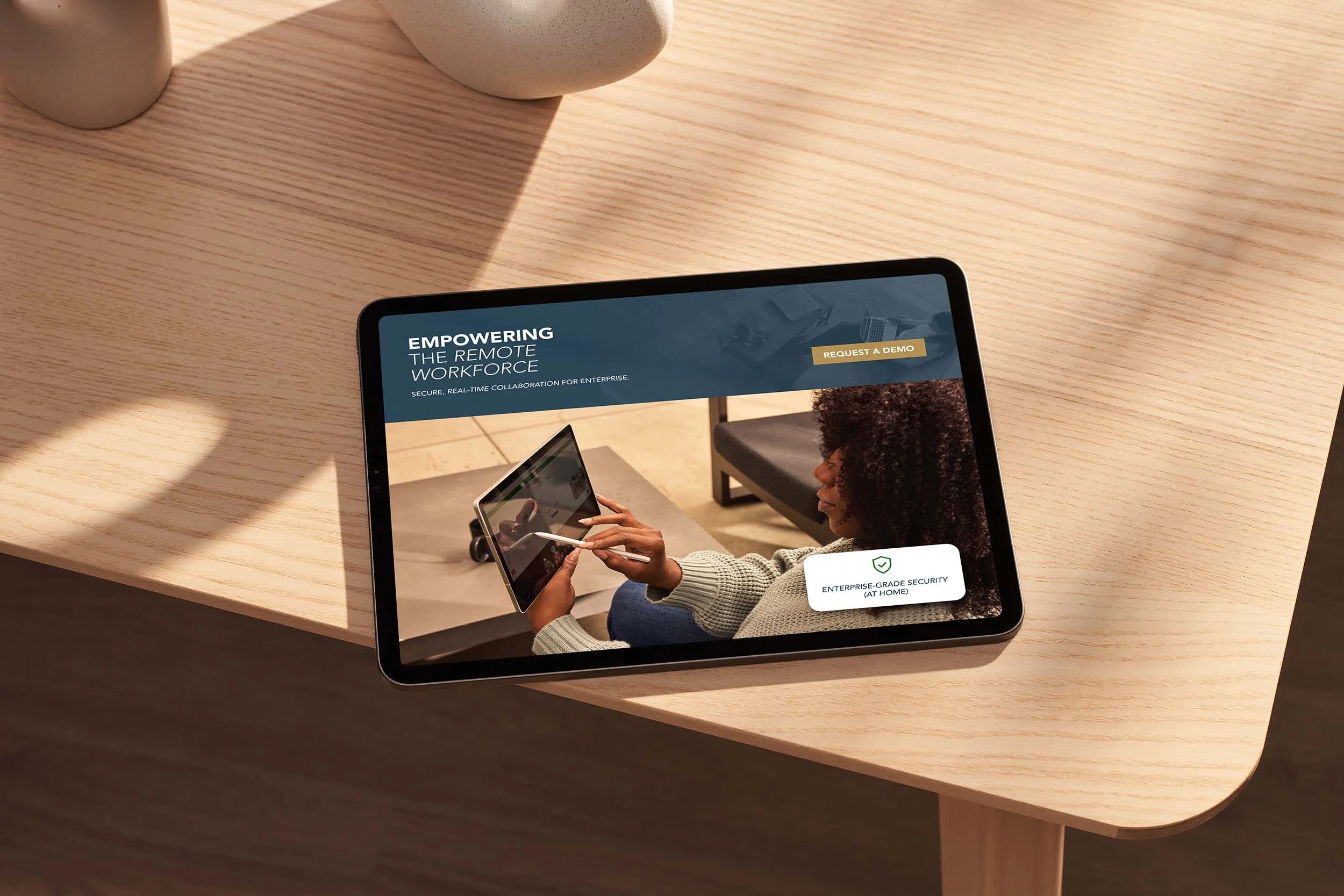
3. UI-Ready Composition: Every shot was composed with digital application in mind. I prioritized negative space and clean backgrounds to ensure designers could easily overlay UI elements, headers, and typography without fighting the image.
The Result
Versatile Asset Library: A cohesive collection of 50+ assets used across global landing pages, sales decks, and trade show displays.
Brand Pivot: Helped the brand visually transition from a "utility provider" to a "strategic partner" for Fortune 500 clients.
Increased Engagement: New lifestyle imagery contributed to higher click-through rates on key product landing pages.
This imagery became the backbone of both companies’ marketing for two years across global campaigns, high-stakes sales presentations, and executive keynotes.